
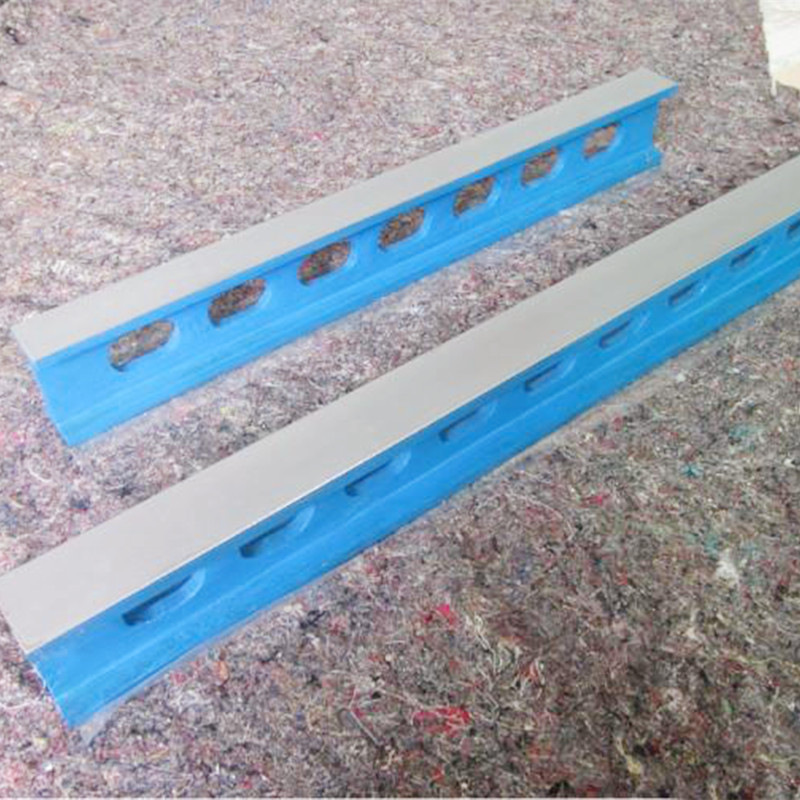
heat reflective glass
Customized Saddle Pipe Clamp The Ideal Solution for Precision and Durability In the diverse world of industrial applications, pipe clamping is a critical task that requires precision, reliability, and adaptability. Among the various types of clamps available in the market, customized saddle pipe clamps stand out as an ideal solution, particularly where standard options may fall short. This article explores the benefits and applications of customized saddle pipe clamps, highlighting why they are indispensable in many sectors, including construction, plumbing, and manufacturing. Understanding Saddle Pipe Clamps Saddle pipe clamps are designed to securely hold pipes in place while distributing the load evenly across a larger surface area. This design minimizes pressure points that can lead to damage over time. Standard saddle clamps can be effective in numerous applications; however, they may not meet the specific requirements of all projects. This is where customization comes into play, allowing engineers and fabricators to create clamps tailored to their needs. Benefits of Customized Solutions 1. Tailored Fit One of the most significant advantages of customized saddle pipe clamps is their ability to provide a snug fit for non-standard pipe sizes and shapes. In industries such as oil and gas, water treatment, or HVAC, pipes often come in unique dimensions. Customized clamps ensure a perfect fit, preventing movement and ensuring stability. 2. Material Specifications Customized clamps can be manufactured from various materials, each selected based on the environmental conditions they will face. Corrosion-resistant materials, such as stainless steel or polymer compounds, are ideal for pipelines exposed to harsh chemicals or extreme weather. This versatility ensures longevity and reduces maintenance costs. customized saddle pipe clamp 3. Enhanced Load Distribution Custom designs can incorporate features that improve load distribution even further, reducing the risk of pipe damage. Adjustable support mechanisms or additional cushioning can be integrated into the clamp design, enhancing its functionality and performance in critical applications. 4. Design Flexibility Customization allows for unique designs, accommodating specific project requirements, such as pre-existing installations with limited space or unconventional routing of pipes. The ability to modify the appearance and functionality of a saddle clamp makes it adaptable to virtually any application. 5. Increased Safety Safety is paramount in industrial settings. Customized saddle pipe clamps can incorporate safety features, such as locking mechanisms or shock-absorbing materials, ensuring pipes remain secure even under stress or in the event of vibration. This reduces the likelihood of accidents and potential hazards associated with loose pipes. Applications Across Industries Customized saddle pipe clamps find their place in a variety of industries. In plumbing, they secure water lines, ensuring that the pipes remain stationary while accommodating thermal expansion and contraction. In oil refineries, where high-pressure and high-temperature conditions are the norms, customized clamps are essential for maintaining the integrity of pipelines. Additionally, in HVAC systems, these clamps can be used to effectively manage the routing of ductwork and piping, contributed to overall system efficiency. Conclusion In an era where precision and customization are increasingly vital to successful engineering solutions, customized saddle pipe clamps emerge as a beacon of adaptability and reliability. Their ability to provide a tailored fit, enhance load distribution, and increase safety makes them invaluable in various industrial applications. As industries evolve and face new challenges, customized saddle pipe clamps will continue to play a crucial role in ensuring that infrastructure remains robust, efficient, and safe.
about
heat reflective glass
Types of Knife Gate Valves Knife gate valves are essential components in various industrial processes, particularly in applications involving slurries, solids, and thicker fluids. Their design allows for effective isolation and control of flow, making them ideal for harsh environments. In this article, we will explore the different types of knife gate valves commonly used in the industry. 1. Manual Knife Gate Valves Manual knife gate valves are operated by a handwheel or lever. This type is often preferred in smaller applications where the flow does not need to be adjusted frequently. Operators can manually open or close the valve by turning the handwheel, offering a direct and straightforward method of control. Manual valves are typically more economical but require physical presence for operation, which may not be ideal in situations demanding remote control. 2. Pneumatic Knife Gate Valves Pneumatic knife gate valves are equipped with an actuator powered by compressed air. This mechanism allows for quicker operation compared to manual valves. The pneumatic design is crucial in applications requiring frequent adjustments or where safety is a concern, as they can be controlled remotely. This type is widely used in industries such as wastewater treatment and mining, where automation enhances efficiency. 3. Electric Knife Gate Valves types of knife gate valves Electric knife gate valves utilize electric actuators for operation. They provide precise control and can be integrated into automated systems. These valves are ideal for processes that require consistent and accurate flow regulation. By utilizing smart control systems, operators can monitor and adjust the valves remotely, making them highly suitable for large-scale operations or hazardous environments. 4. Stainless Steel Knife Gate Valves Stainless steel knife gate valves are known for their durability and resistance to corrosion. They are particularly useful in food processing, chemical applications, and any environment where hygiene and material integrity are of concern. The robustness of stainless steel knives ensures they can handle abrasive materials without significant wear, which contributes to longer service life. 5. Lined Knife Gate Valves Lined knife gate valves feature a protective lining made from materials like rubber or Teflon. This lining adds an extra layer of protection against corrosive fluids, extending the valve's lifespan and maintaining its functionality. These valves are commonly used in the chemical industry, where exposure to harsh substances can quickly degrade unlined materials. In conclusion, selecting the right type of knife gate valve depends on the specific application and industry requirements. From manual to electric and various materials, each type offers its own set of advantages. Understanding these differences allows engineers and operators to make informed decisions for optimal performance and longevity in their systems.
-

High quality industrial productsagement

High quality industrial products
View Details -

Meet the diverse needs of customers

Meet the diverse needs of customers
View Details -

Strict quality control

Strict quality control
View Details -

Top raw materials

Top raw materials
View Details -

Trusted supplier

Trusted supplier
View Details
Our application

news and information
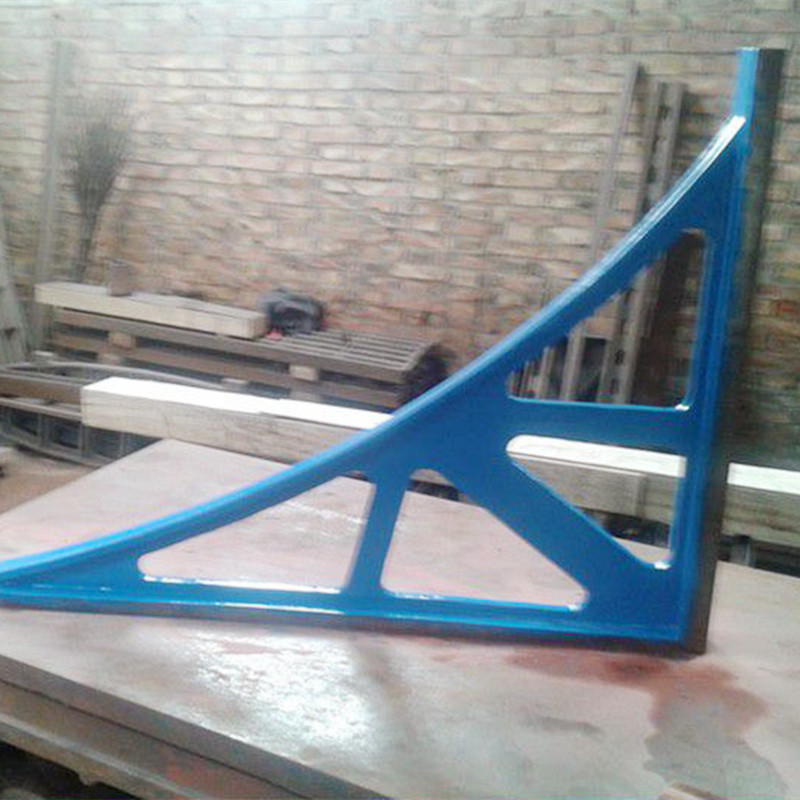
y strainer pn16
Understanding Y-Strainers and Their Importance in PN16 Applications In industrial applications, flui
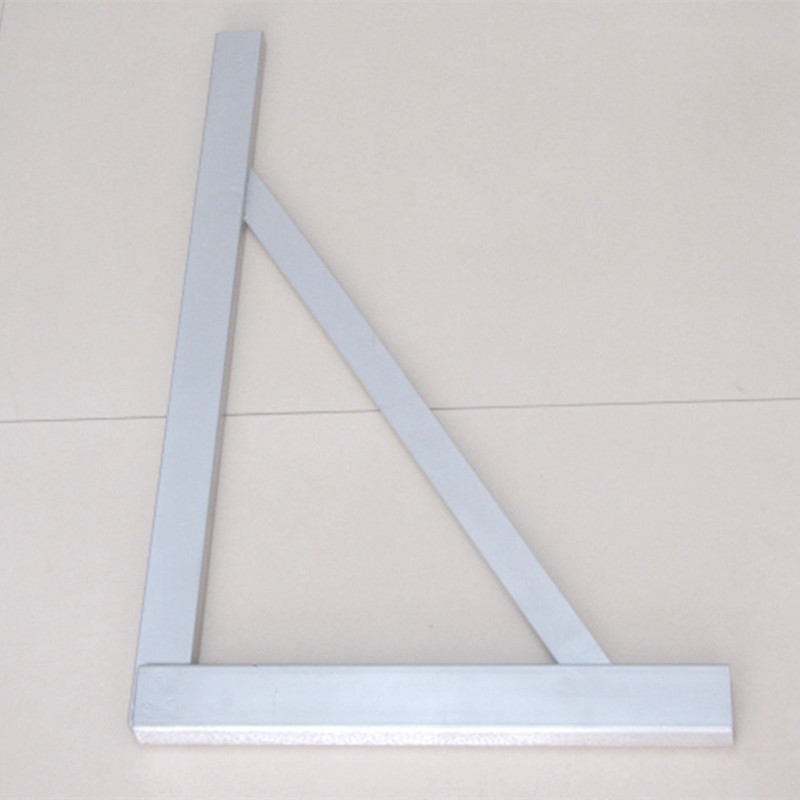
Vertical Y strainer efficient way to filter particles from fluid flow.
Vertical Y strainers are essential components in piping systems that are designed to remove unwanted
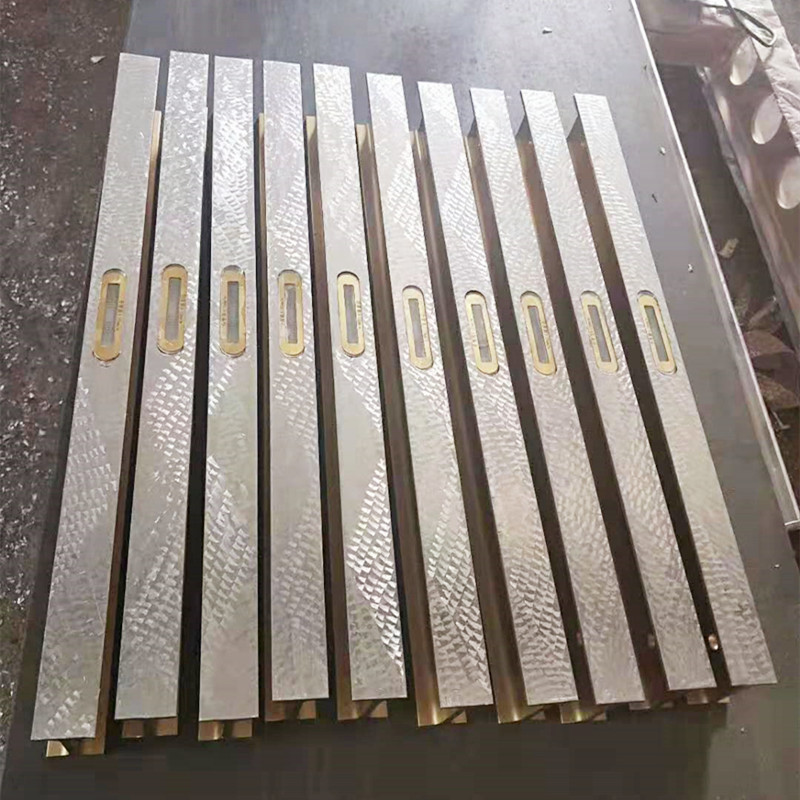
v بلوک
موضوع V-Block در دنیای پیچیده و پیشرفته فناوری اطلاعات، مفهوم V-Block به عنوان یکی از روشهای نوین د
 English